Saturday, 11 May 2013

Life Cycles

Spring is here! 
New life abounds. 
Fresh scents, and many shades of green. 
Rain, frost, and sun. 
Introducing biology basics.
Life cycles.


Activity Steps for Students
1. Sequence cards of the life cycle of an animal / insect / amphibian / plant. (I used http://www.enchantedlearning.com/sequencingcards/)
2. Research the life life cycle on-line. Create a simple handout.
3. Find a youtube video that shows the complete life cycle.
4. Present the information from the handout and show the video.


Ant

Student selected video:


Butterfly 

Student selected video:


Frog 

Student selected video:


Mosquito 

Student selected video:


The addition of the youtube videos added a greater dimension to the presentations. During the videos, I heard students say the following: "Wow!, I didn't know that!, Two tongues?!, Whoa!, So many eggs! Where do all the eggs come from?!".
 Furthermore, during the research part of it, some students read and understood a lot more information. Students had many questions about each life cycle, and some students were able to answer the extra questions. Another student actually researched the answer on-line during class so she could share the information with the class.


Follow-up
1. Students can write questions about their handout for their peers to answer.
2. Make a class booklet.

This unit includes the following key approaches and strategies for Literacy learners:
work collaboratively, plan time to complete the project within the deadline, ask for help when needed, use technology, use pictures and format to understand text,  follow directions, identify the main idea and supporting details of a text, plan a presentation, and copy information.

Additional Resources
http://www.sparklebox.co.uk/topic/living/life-cycles.html#.UXm9iMrm86r

Thursday, 25 April 2013

Beautiful Things - Spring Bulbs

Morning Warm-up: 15 minutes

Brainstorm descriptive words for the daffodils and hyacinths using the senses of touch, smell and sight.


How does it feel?
soft, flat, squishy, smooth


How does it smell?
nice, fresh, fragrant, strong, sweet


What do you see?
purple, yellow, ivory, green stems, jar, water


Wednesday, 17 April 2013

Hug a Tree! or Just Paint One for Earth Day!

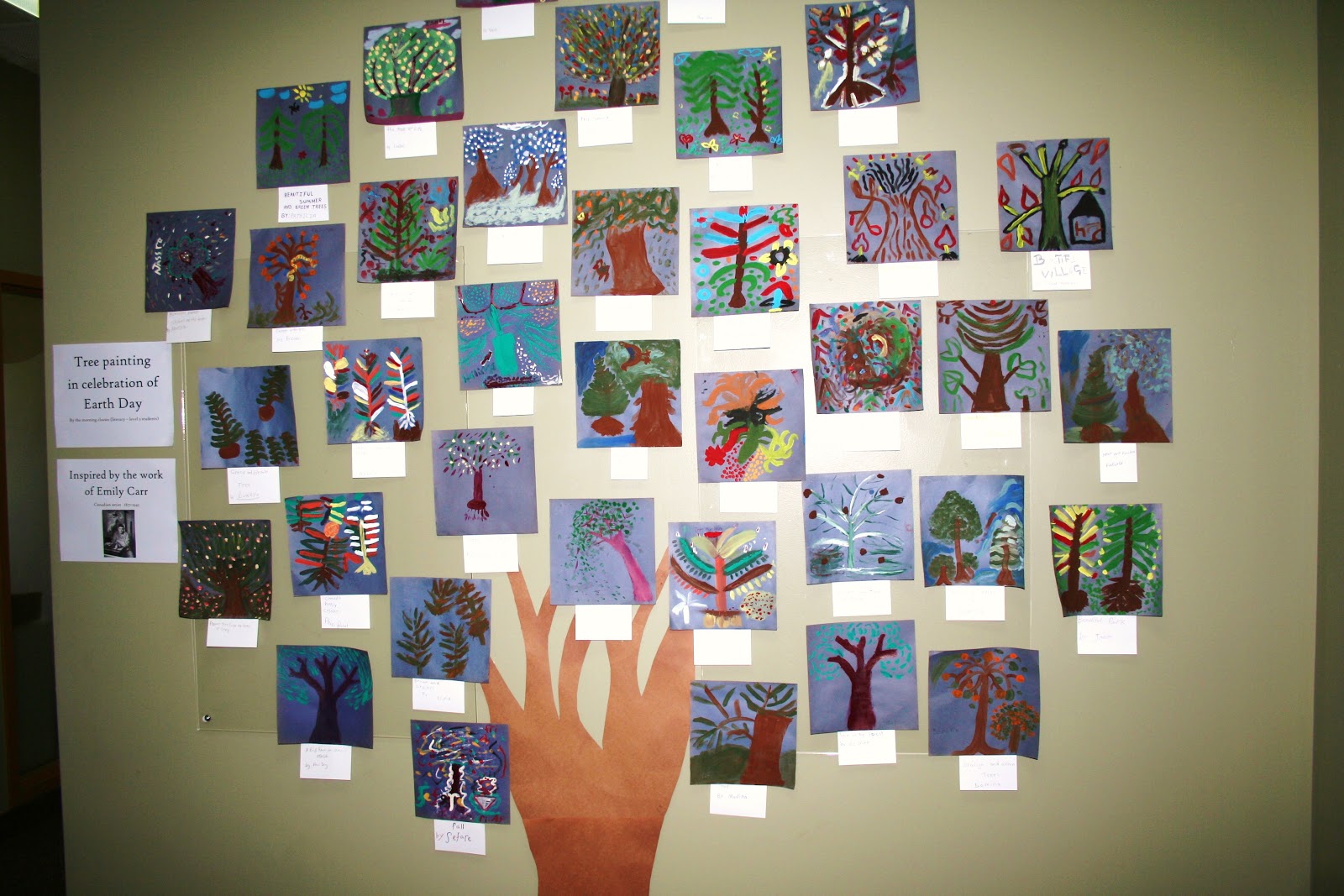
Concentration and creativity joined hands this Earth Day as students tried their hand at painting trees inspired by the late Emily Carr. My peer, B.B., guided the learners through Emily Carr images and noted how the painted lines showed movement. She found the idea for this project here: http://www.kinderart.com/arthistory/emilycarr.shtml.

The learners did 'air writing' of the movement, just tracing the shapes and lines in the air. Then the students got to it.


What really amazed me were the different interpretations of what a tree is.


 We then made a tree of all the trees.


It was interesting to see how people from different areas of world painted different styles of trees. The 'tree' in their mind was certainly not from the same corpus as Emily Carr's! What beautiful designs!

Amazingly, at our local art gallery an Emily Carr exhibit was showing at this time. This show was also featured in the local newspaper. A few teachers and a few students ventured out after school hours (during the free hours at the gallery) to visit the exhibit and experience Carr's art work in a new environment.  

Two of my colleagues, B.B. and A.B., entered this project into the TESL Ontario ESL Week Contest and won first place in the Photo/Collage Category! Here is a link to their outstanding work: http://www.teslontario.net/sites/default/files/webform/eslweek_instructors/Immigrant%20Women%27s%20Centre.jpg

Follow up activities can be found here:
Best of the Reader: Aboriginal People (graded stories of adults): http://www.bestofthereader.ca/Ebooks/Canada%27s_Aboriginal_People.pdf
Vancouver Art Gallery Educational Resources (may need to be adapted): http://www.museevirtuel-virtualmuseum.ca/sgc-cms/expositions-exhibitions/emily_carr/en/index.php 

Sunday, 7 April 2013

Teaching ESL Literacy Foundation and Phase I Webinar

Check out my Teaching ESL Literacy Foundation and Phase I Webinar posted in Tutela.ca at http://tutela.ca/ViewContentItem?itemId=5206. Tutela is a "National Online Repository and Community of Practice". Free membership is required, but it is a wonderful resource for all ESL teachers. I fully recommend it!

Monday, 18 February 2013

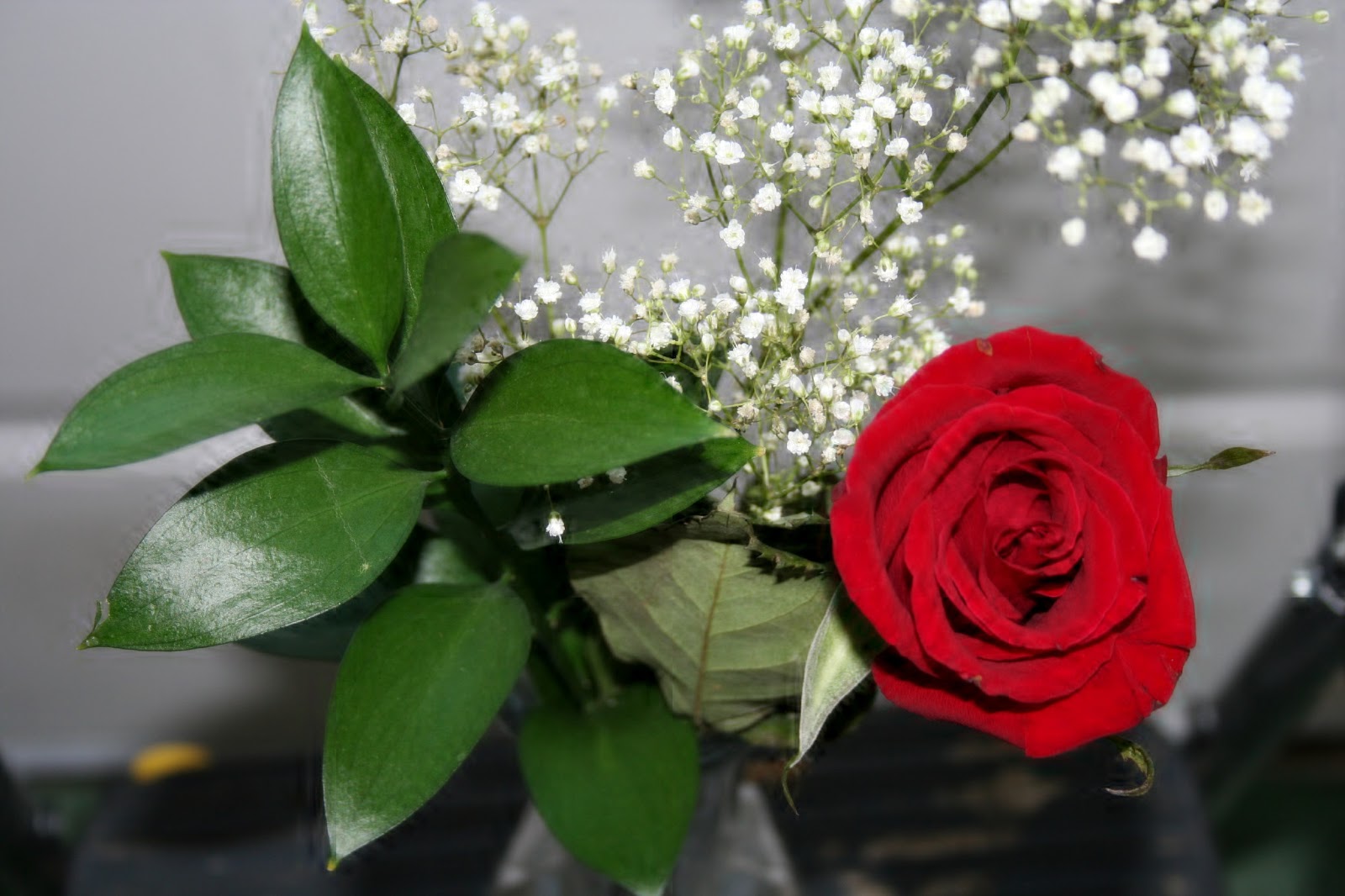
Beautiful Things - Roses are Red

What do you see?
How does it smell?
How does it feel?


A student surprised me this Valentine's Day with a rose!
What a great teaching gift to work on describing things!


Follow up with colour and rhyming practice:

Roses are red,
Violets are blue,
Sugar is sweet,
and so are _______.


Roses are red,
Violets are grey,
When I am with you,
I have a nice ________.


Roses are red,
Violets are plaid,
When we are apart,
I feel _________.

Outcomes: express spoken and written descriptions, fill in initial consonant sound in rhyming word groups

Wednesday, 23 January 2013

Let it Snow! Let it Snow! Let it Snow!


Make your own snowflakes using templates!


Great for practice following directions, folding paper accurately, using scissors, and being creative!


Great for multilevel groups.


There were a few originals among the templates. Can you spot them?

Sunday, 30 December 2012

Cranberry Sauce


Although this is a seasonal dish, I had never made cranberry sauce in my life before. And, neither had my students. For most of them, they had not seen or tasted a cranberry before. We made this sauce from a recipe from the LINC 4 Activities: http://www.moresettlement.org/LINC1-4/LINC4/LINC_4_Classroom_Activities.pdf page 477 Cranberries, A North American Superfruit. 

To sample the sauce, I brought in some halal cheese (no rennet or pepsin) and some crackers. 

As we went through all the steps in the recipe, we described everything using the five senses. This included sampling a raw cranberry and a teaspoon full of pure maple syrup. Yum, yum! This builds concrete experience with the foods that many Canadians take for granted. It was also quite lovely to have this time out of the regular classroom and just to chat while each step was being completed. I will certainly try to do some more recipes in my class in the future. 

Outcomes: reads and understands short instructions, read and understand formatted texts, measure ingredients accurately, give simple descriptions of simple objects